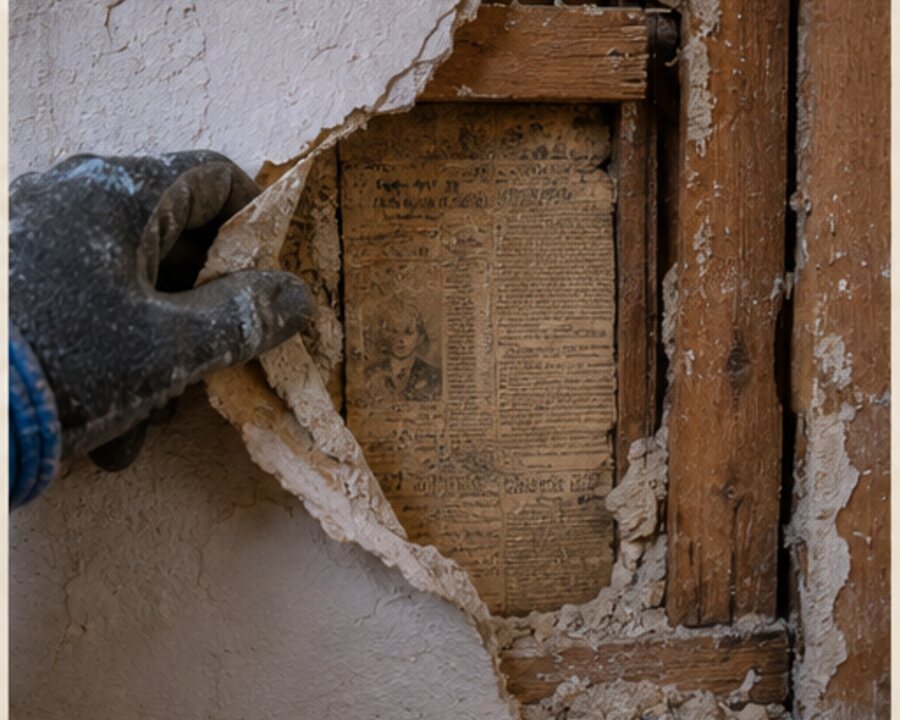
The headline is decades old and the page was sealed behind plaster. It feels like a deliberate time capsule, but several explanations are possible.
Newspaper was cheap, available, foldable, and disposable. It could be stuffed into cracks to stop drafts, placed behind finish work, used as temporary protection, or simply left during construction. Some deposits were intentional messages; others were practical scraps. Context determines which explanation fits.
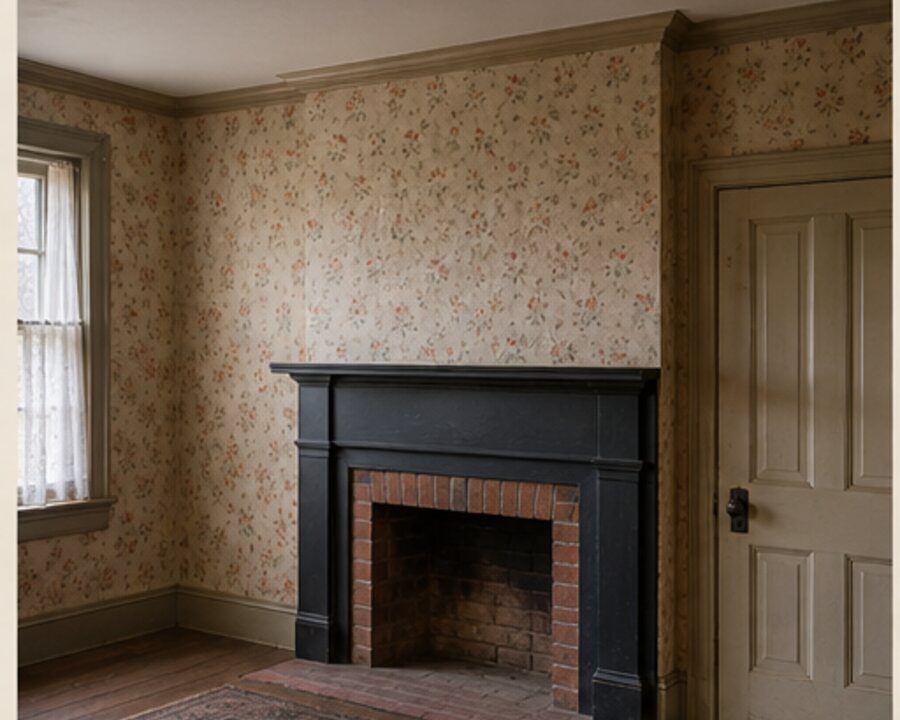
A date is a “not earlier than” clue
If paper was sealed during the work, construction covering it cannot be earlier than the publication date. But an old paper can be reused years later, and a wall may have been remodeled long after the house was built. The date is evidence for that layer, not automatically for the whole building.
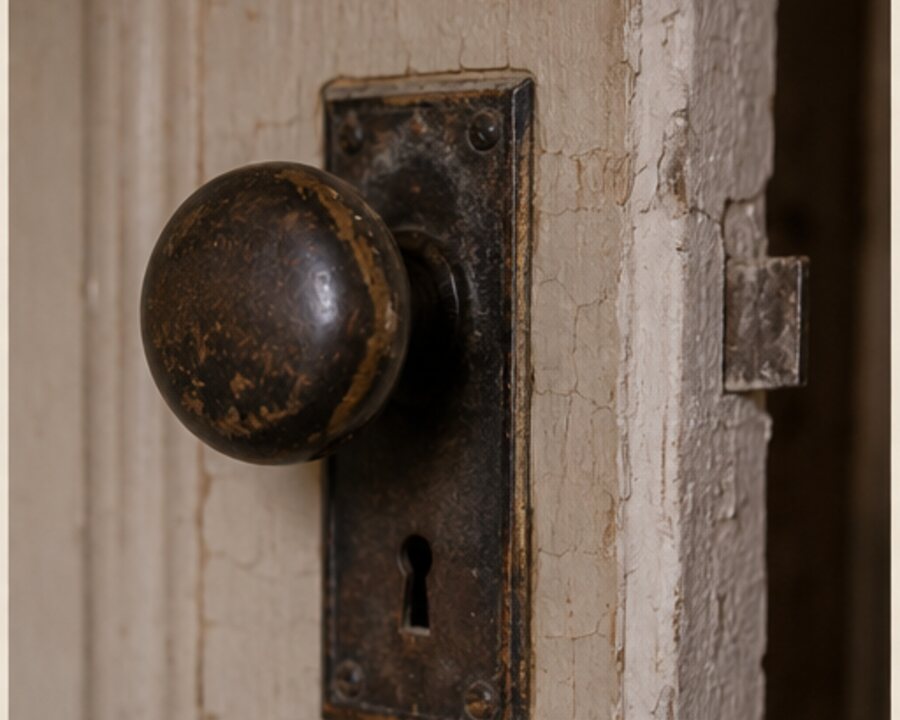
Placement distinguishes use
Tightly packed strips around a gap suggest draft control. Broad sheets under wallpaper may be lining. A folded edition with coins, a note, and a deliberate container is more consistent with a time capsule. Random fragments with plaster debris may be job-site waste.
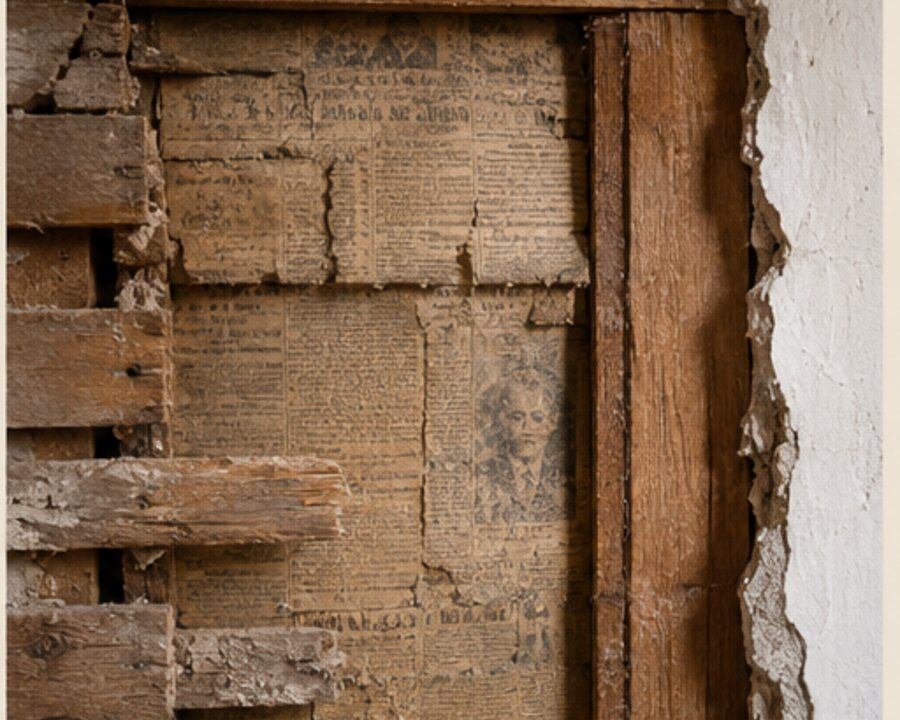
Printed content can localize the story
Mastheads, addresses, advertisements, election coverage, and business names can connect the material to a place. Historic newspaper databases help verify dates and damaged titles. Avoid repeating sensational claims from a fragment without checking the full issue.
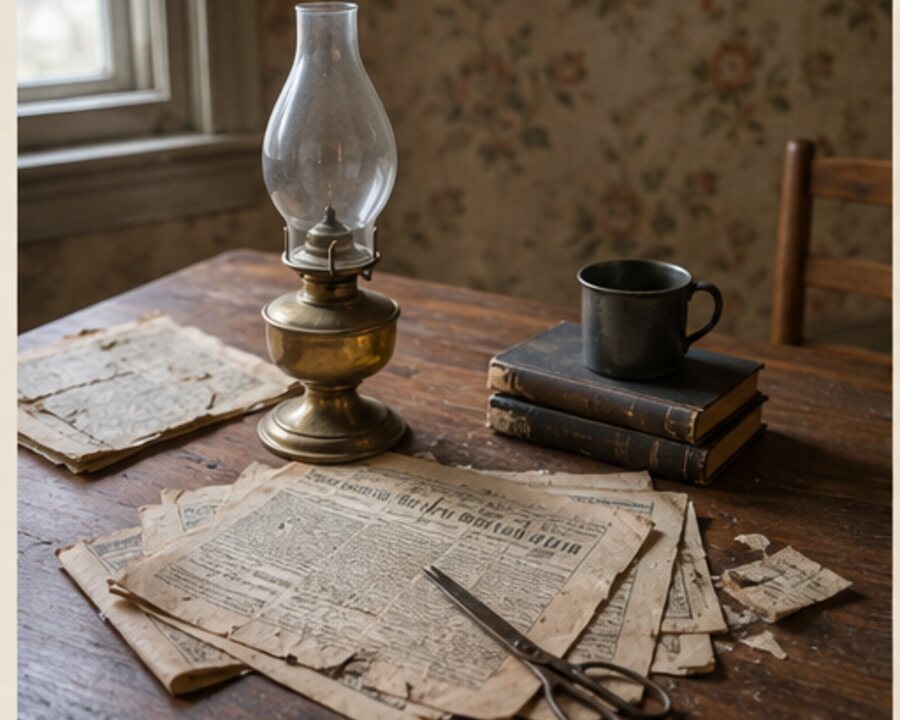
Paper deteriorates quickly after exposure
Stable darkness inside a wall can be followed by sudden light, dry air, handling, and tears. Mold, rodent contamination, lead dust, or other hazards may accompany the paper. Photograph in place before separating pages.
What to look for in an old house
- A readable masthead and complete publication date
- Folds, fasteners, containers, or packing patterns showing purpose
- The exact building layer—plaster, sheathing, wallpaper, or later partition—where it appeared
Before you alter or remove it
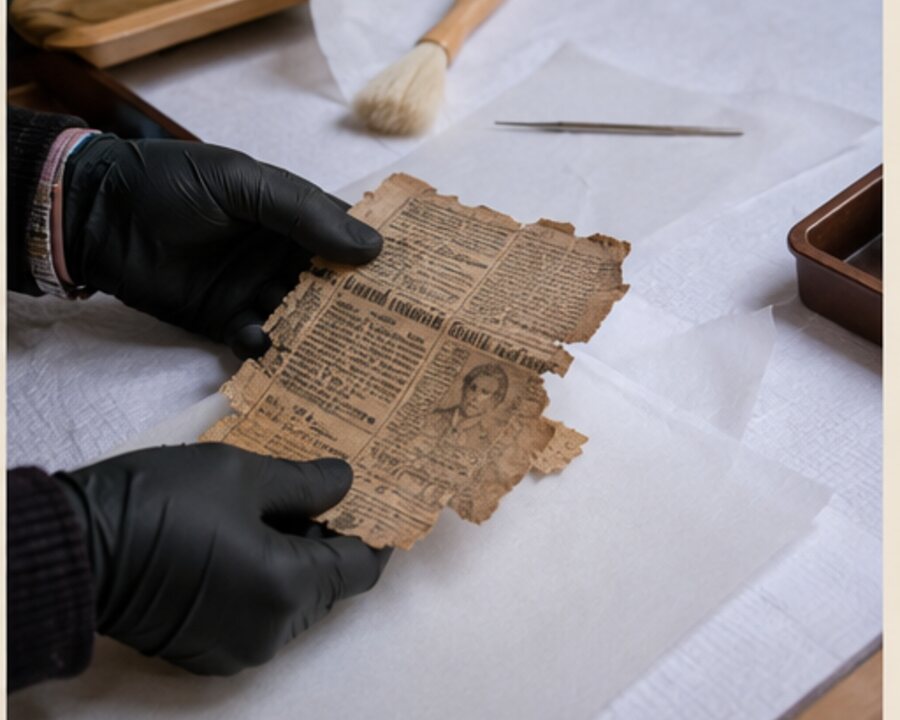
Use clean support beneath brittle paper and avoid flattening it by force. If historically important or moldy, contact a paper conservator or local archive. Preserve the relation between object and location in photographs and notes.
The detail that makes this story worth sharing
The fanpage can show the headline and ask whether it dates the house. The website should give the more interesting answer: it dates a specific construction layer, subject to reuse and context.
Sources and further reading
- Library of Congress Chronicling America newspapers
- NPS guidance on researching and documenting historic interiors
Editorial note: Dates and configurations vary by region, builder, and later remodeling. This article explains common historical patterns and does not identify an undocumented feature in a specific private home. Images labeled as editorial reconstructions are illustrative and are not documentary photographs of a named property.