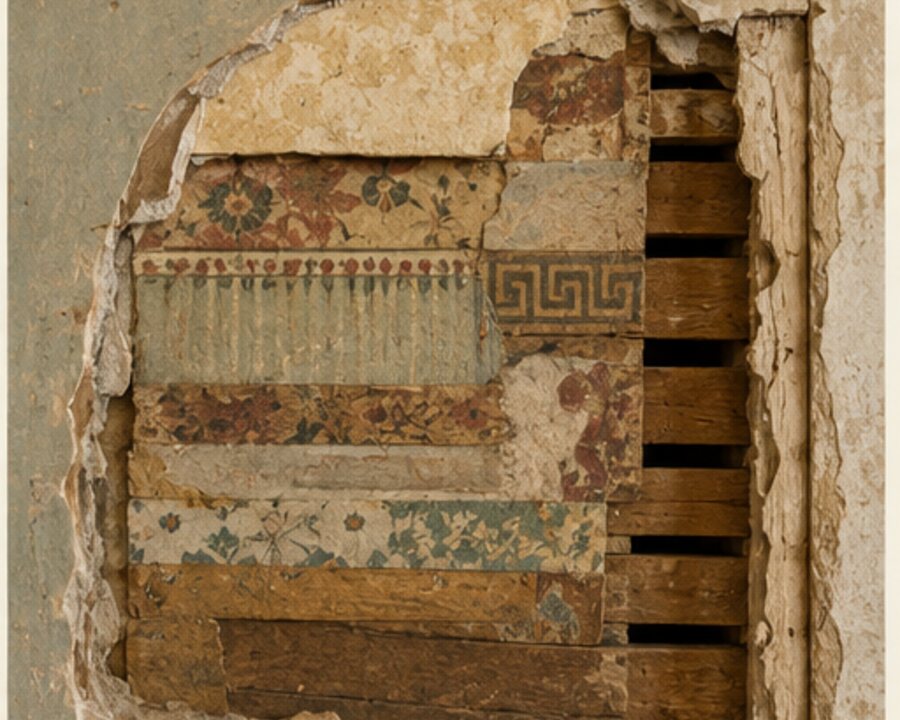
Peel one corner and five different rooms appear in the same place—each preserved as a paper-thin decision.
Historic wallpaper accumulates in layers because new decoration often covered old. Patterns, borders, lining paper, paint, and plaster repairs can create a stratigraphy of taste. The sequence may help identify major remodeling campaigns, but pattern style alone is rarely precise enough to assign an exact year.
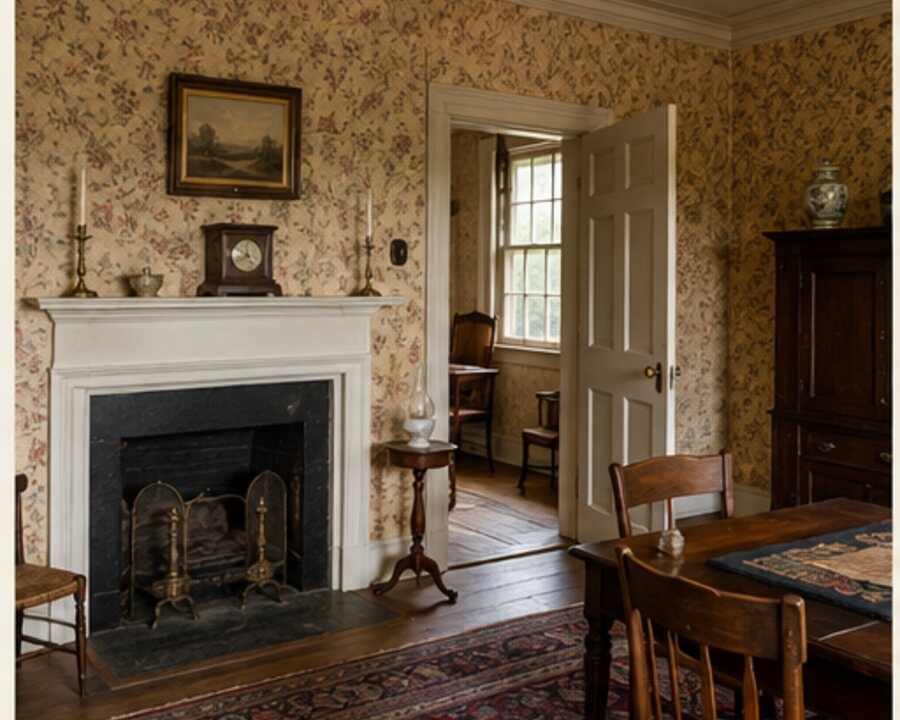
Sequence matters more than the prettiest pattern
The earliest layer closest to the plaster may be visually modest but most important for understanding the room’s first finish. Later layers show changing occupancy and aspirations. Removing one “ugly” layer without recording the order destroys evidence.
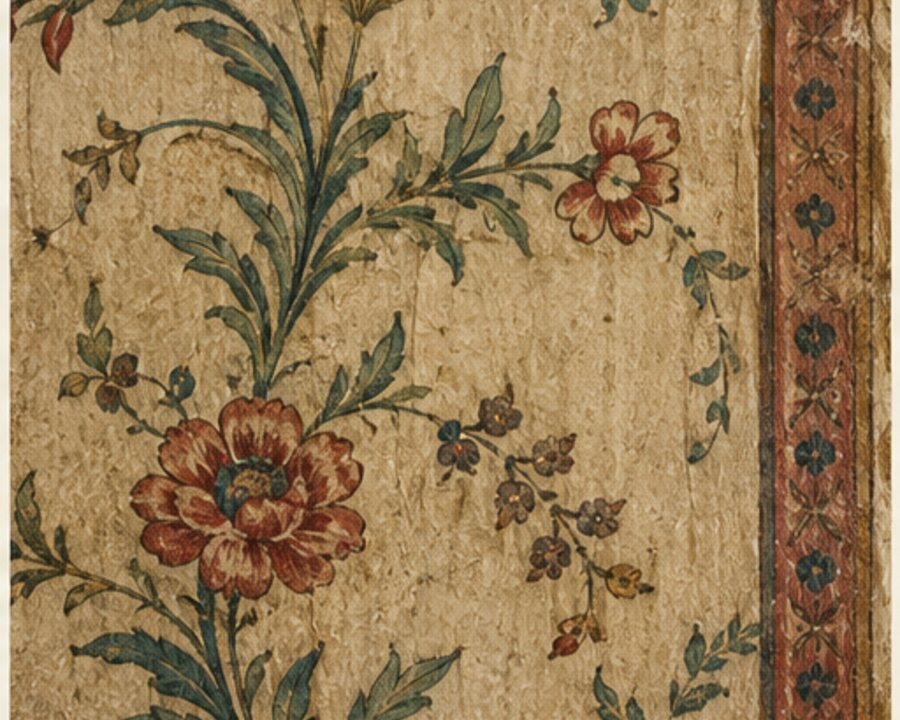
Edges and protected areas preserve clues
Behind trim, inside closets, above lowered ceilings, and beneath later cabinets, colors may be less faded. Borders reveal ceiling height and decorative zones. Nail holes, picture rails, and patches show how furnishings and architecture interacted with paper.
Wallpaper can help explain room function
A nursery, hall, parlor, and service room may receive different quality and imagery. Yet assumptions about gender, class, or use must be tested against inventories, plans, photographs, and the whole building—not inferred from flowers or color alone.
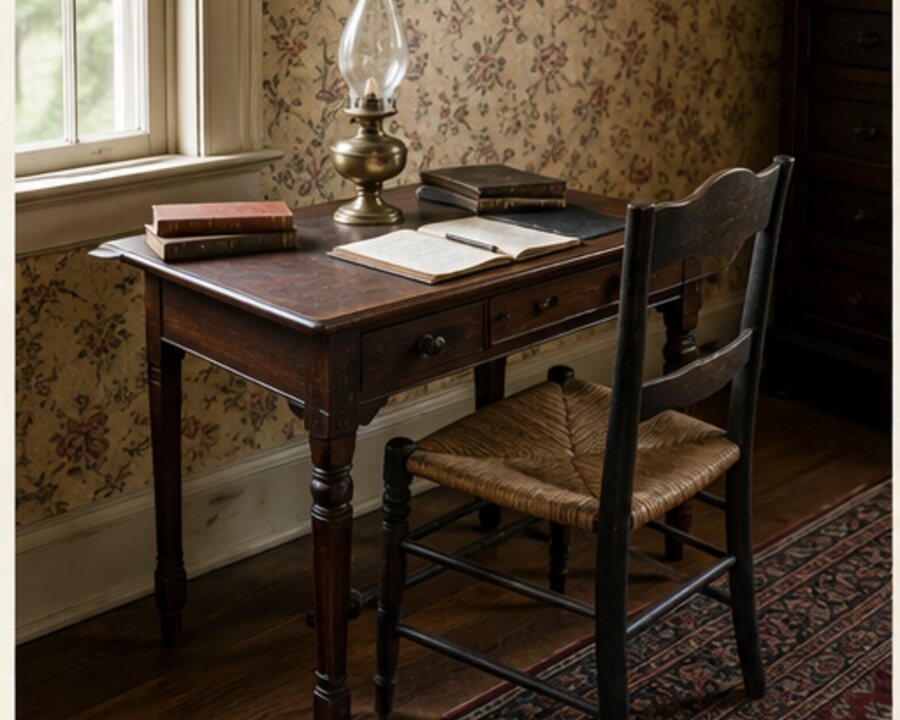
Conservation is different from stripping
Steam, water, chemicals, and scraping can damage both paper and plaster. The National Park Service notes that special stabilization methods may be justified when historic wallpaper or decorative surfaces are significant. Even when most paper must be removed, representative samples and a measured record can survive.
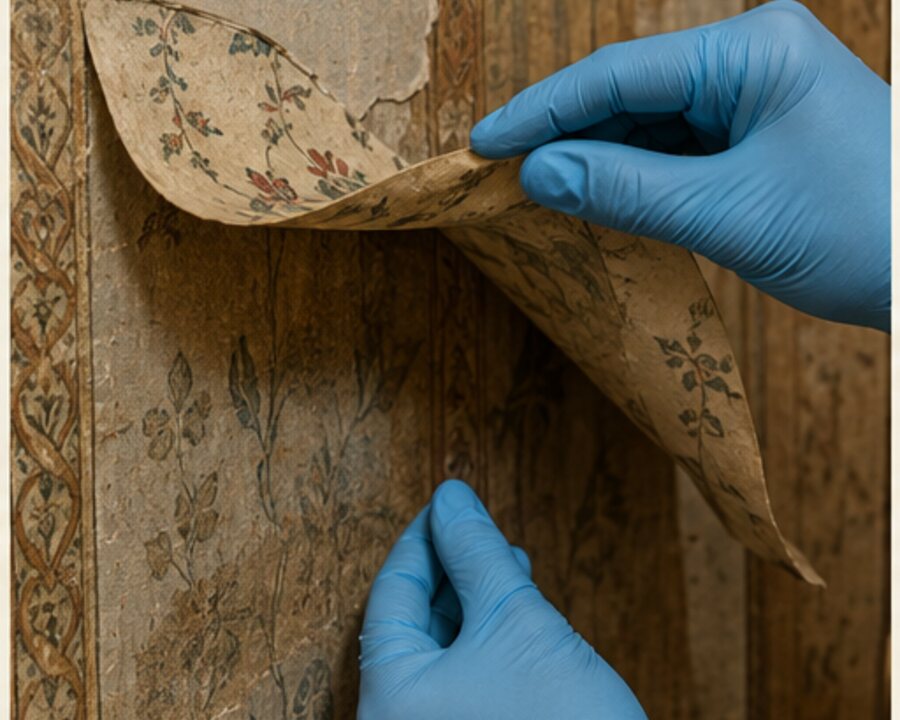
What to look for in an old house
- Protected samples behind trim or built-ins
- Borders and seams that establish the order of campaigns
- Plaster patches or architectural changes between wallpaper layers
Before you alter or remove it
Test for hazardous coatings and mold before disturbance. Photograph a numbered sequence with a scale and room location. Ask a conservator about significant, early, rare, or unusually intact material.
The detail that makes this story worth sharing
A fanpage carousel can reveal layers one by one. The link should take readers to a method for reading the sequence, not encourage uncontrolled peeling for entertainment.
Sources and further reading
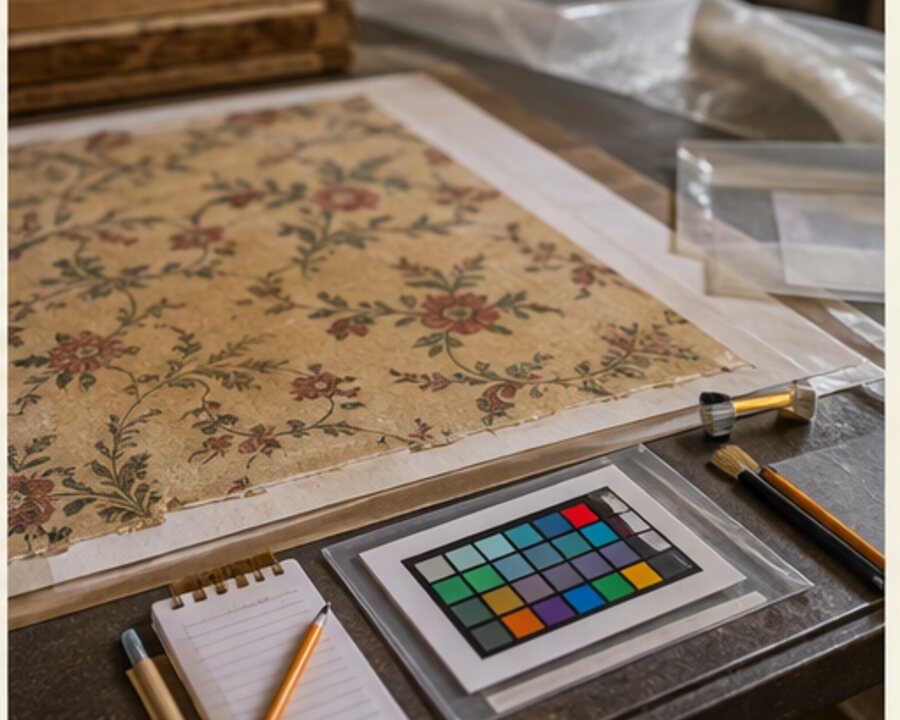
Editorial note: Dates and configurations vary by region, builder, and later remodeling. This article explains common historical patterns and does not identify an undocumented feature in a specific private home. Images labeled as editorial reconstructions are illustrative and are not documentary photographs of a named property.