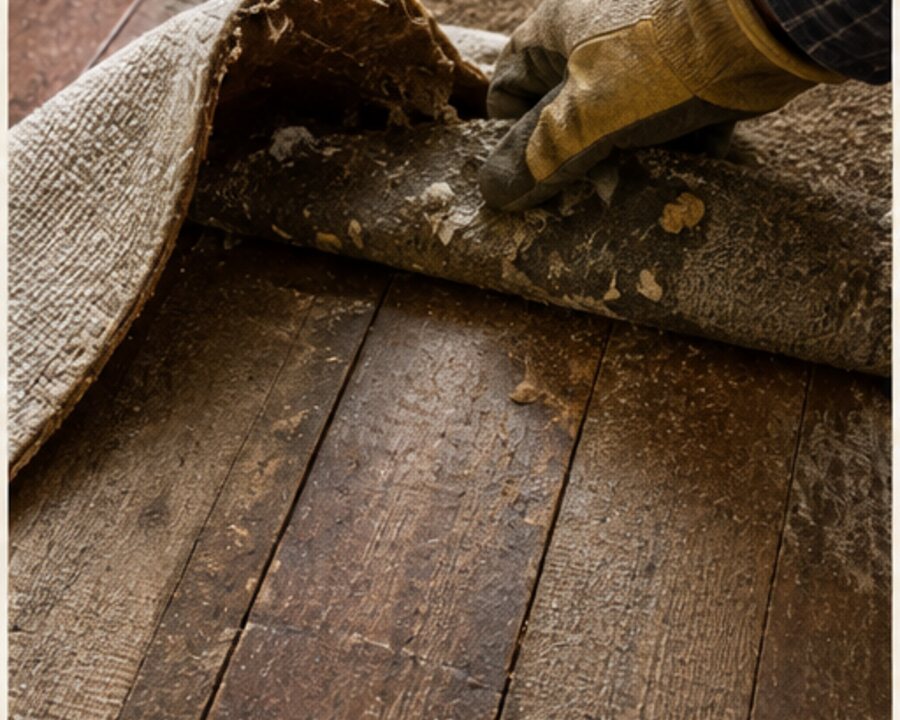
The lifted carpet corner reveals narrow wood boards. That glimpse is exciting, but it does not yet promise a flawless floor.
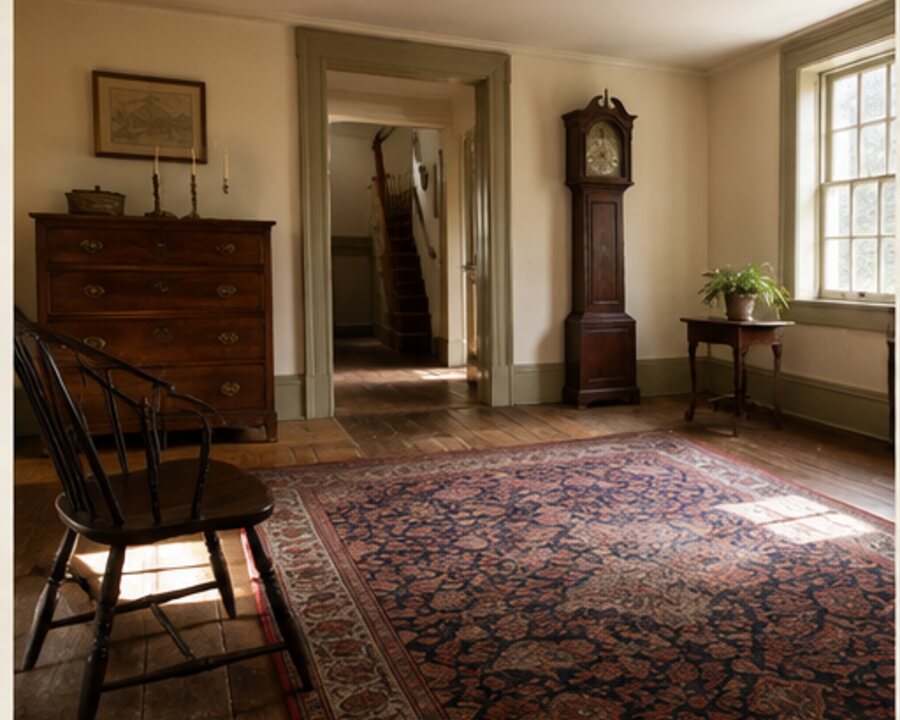
Carpet and resilient flooring often covered earlier wood. Sometimes owners protected a finish; sometimes they concealed wear, repairs, stains, mismatched additions, or a floor never intended to be exposed. Historic flooring can be important character-defining material even when it is imperfect.
Start with a representative test, not total removal
Inspect at a closet, register, loose threshold, or other low-impact location. Determine board thickness, tongue depth, fasteners, finish, patches, and underlayment. A small attractive corner cannot represent an entire room.
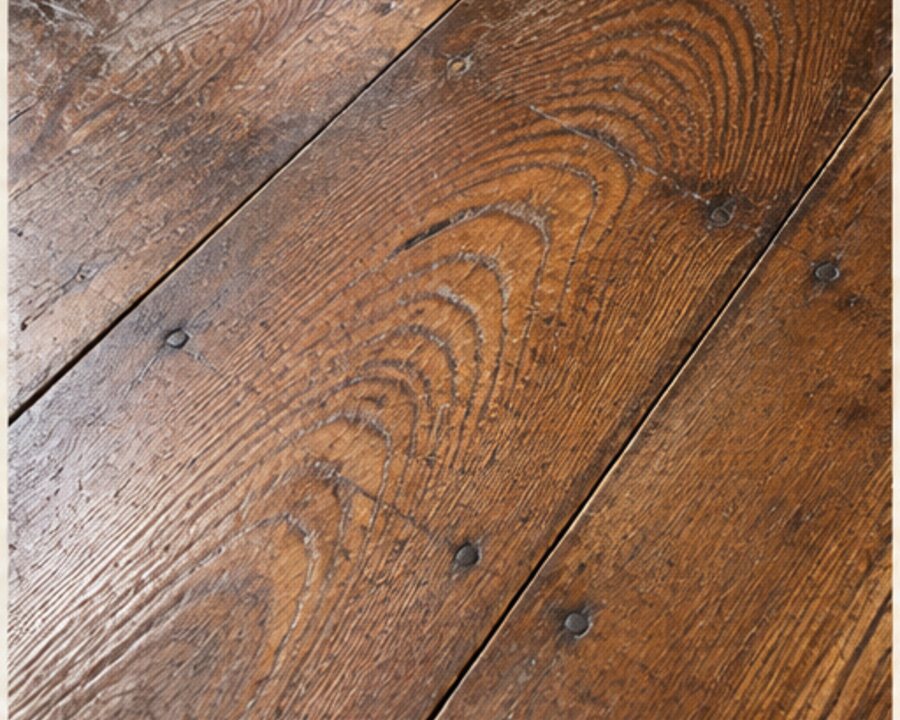
Narrow strip and wide plank tell different stories
Board width, species, milling marks, fastening, subfloor arrangement, and room hierarchy can help characterize the floor. Service spaces may differ from parlors. Replacement boards and room additions can create legitimate historical variation.
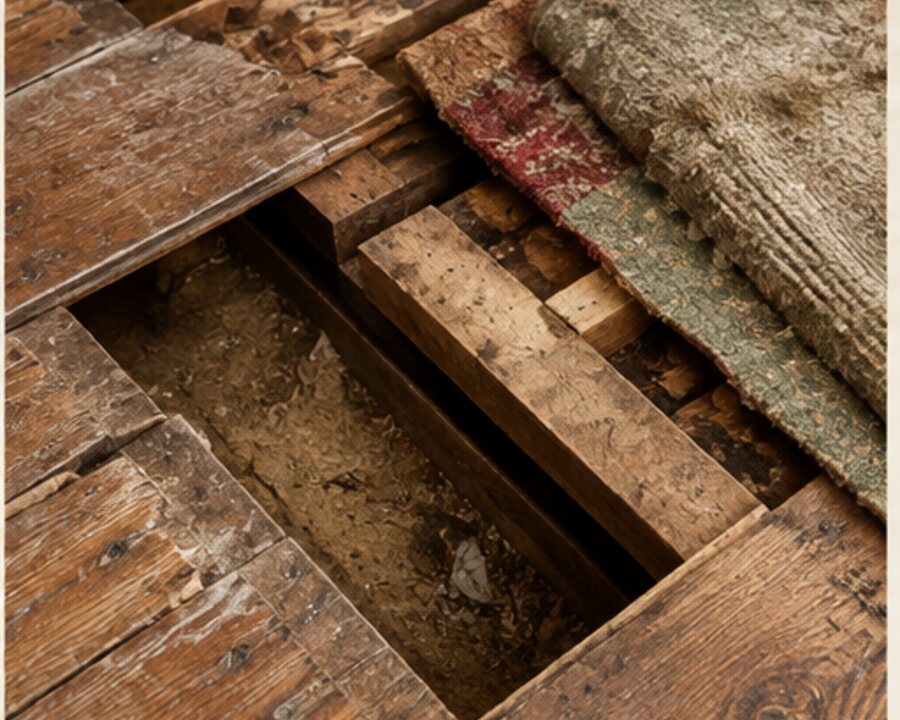
The sanding limit is physical
Every sanding removes material. A tongue-and-groove floor already refinished several times may have thin wood above the tongue, exposed nails, or splintering edges. Cleaning, spot repair, screen-and-recoat, or accepting patina may preserve more than aggressive flattening.
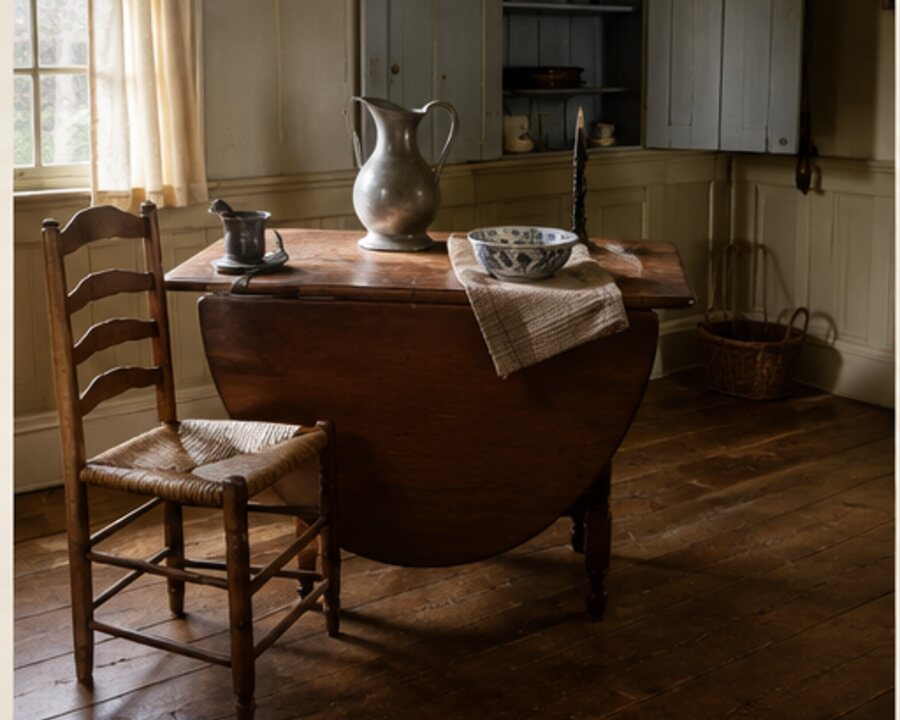
What lies between coverings matters
Black mastics, old adhesives, felt, paint, and underlayment can contain hazardous materials or create difficult removal conditions. Do not grind, sand, or scrape unknown products before appropriate testing and controls.
What to look for in an old house
- Board thickness visible at a register or threshold
- Patches, stains, paint, adhesive, and previous sanding evidence
- Changes in width or direction that correspond to room alterations
Before you alter or remove it
Test suspect paint and flooring materials before creating dust. Consult a floor professional experienced with historic buildings. Retain sound original boards and patch selectively where possible.
The detail that makes this story worth sharing
The teaser is the lifted corner; the article’s honest value is explaining why “wood found” does not automatically mean “sand everything.”
Sources and further reading
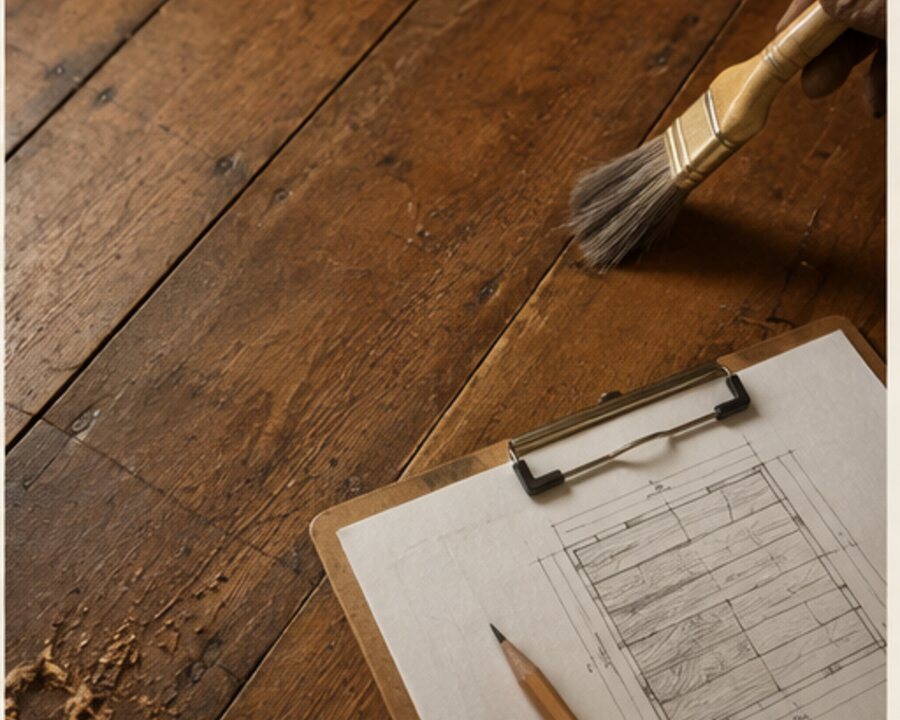
Editorial note: Dates and configurations vary by region, builder, and later remodeling. This article explains common historical patterns and does not identify an undocumented feature in a specific private home. Images labeled as editorial reconstructions are illustrative and are not documentary photographs of a named property.