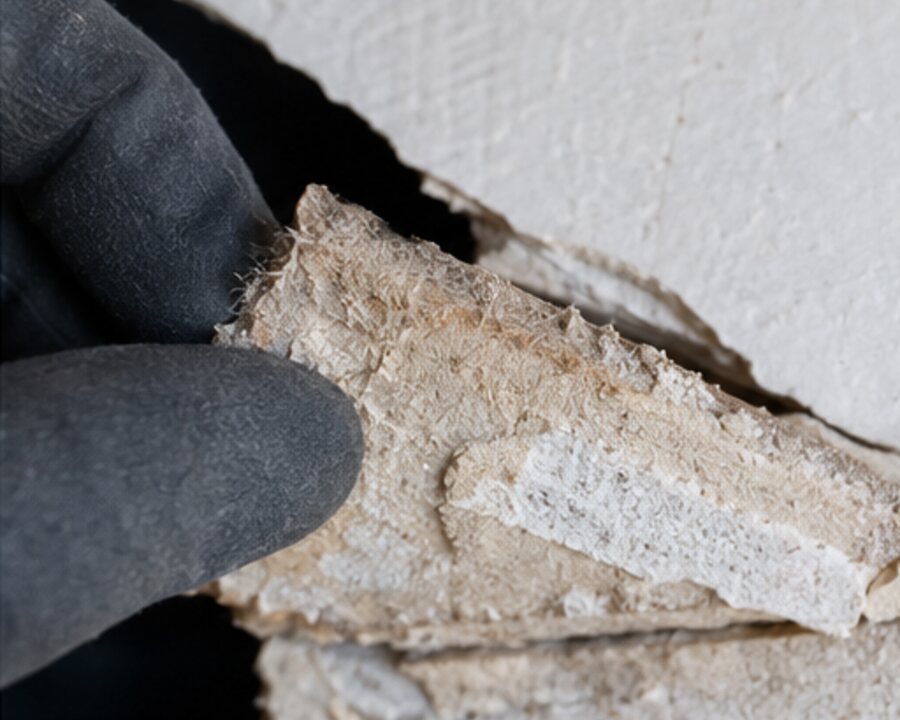
The broken plaster contains coarse hair. It can look disturbing until you understand that the material was engineered that way.
Traditional plaster is a layered assembly. Base coats pushed through wood lath to form keys, while lime, aggregate, water, and fibers created a workable material. Animal hair—often associated with horse, cattle, or hog sources—provided distributed reinforcement in base plaster.
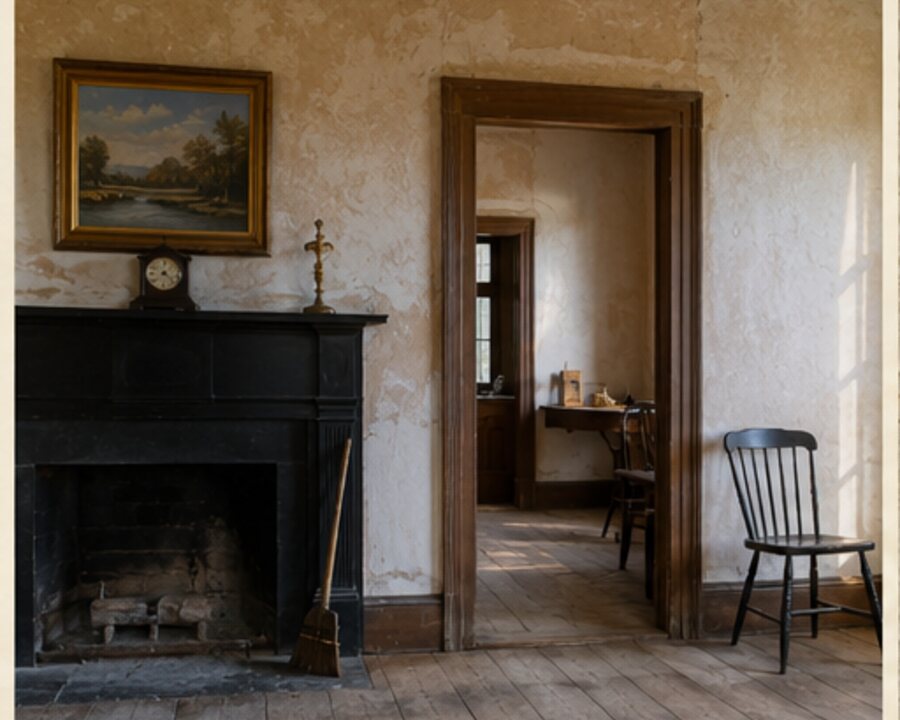
Fiber helped before the finish coat
Hair belongs primarily to the rougher supporting coats, not the smooth decorative surface. Fibers bridge tiny developing cracks and help hold wet material together. Quality depended on preparation and distribution; clumps or dirty fiber could create weakness.
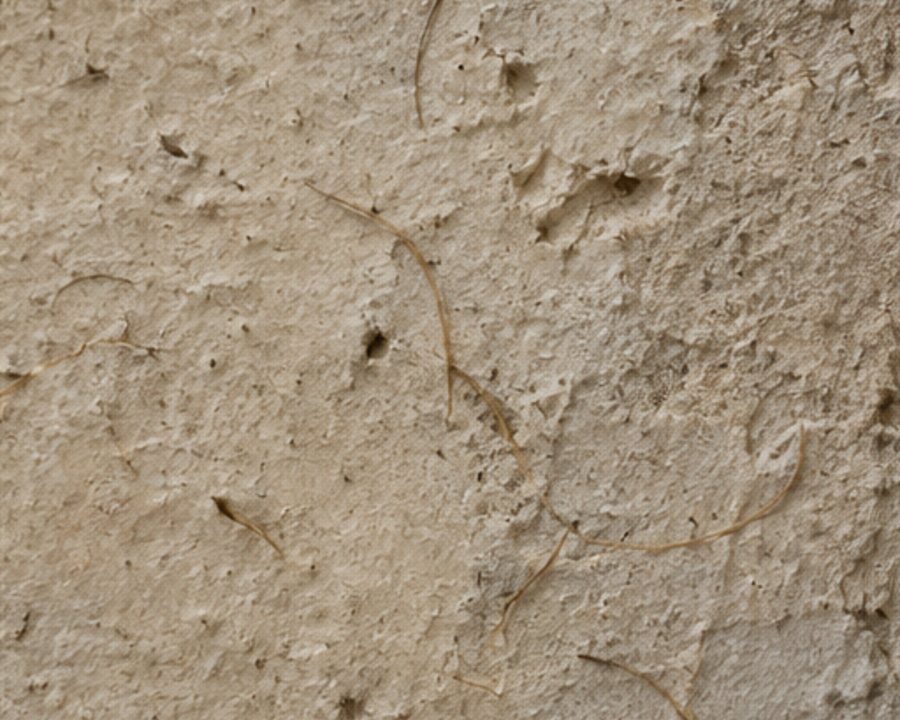
The wall is a record of local materials and craft
The National Park Service’s Monocacy project notes that analysis of lime and fiber can reveal information about livestock, local industry, trade, and construction. Tool marks, keys, layers, and decorative paint make plaster a historical document, not merely an old substitute for drywall.
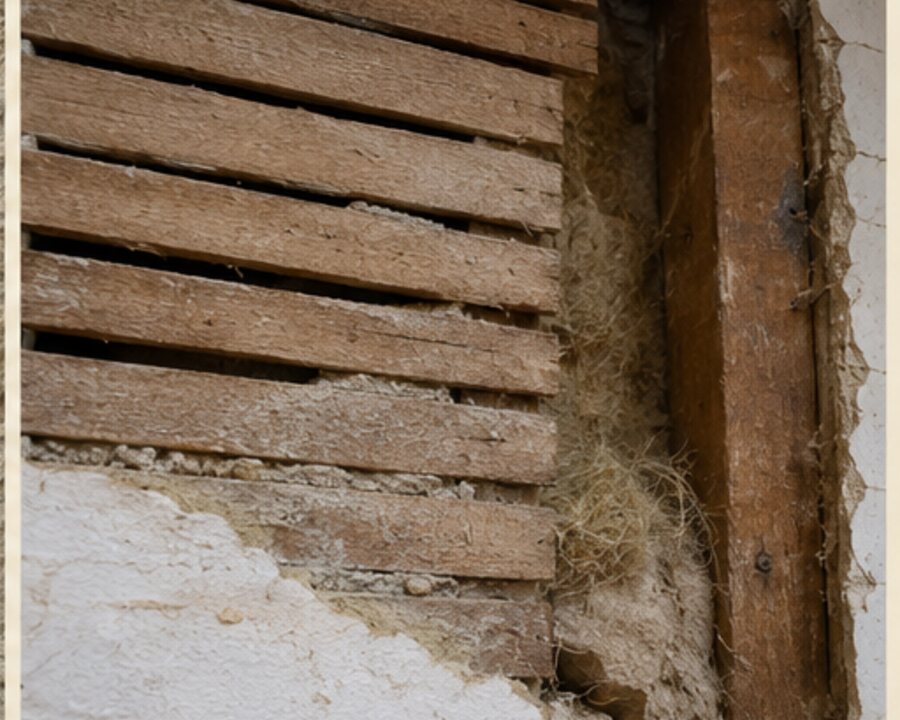
Why plaster separates from lath
Roof or plumbing leaks, vibration, building movement, failed keys, corrosion, and inappropriate repairs can cause cracks or detachment. Visible hair does not diagnose the failure. Removing all plaster because one area is loose may erase sound fabric unnecessarily.
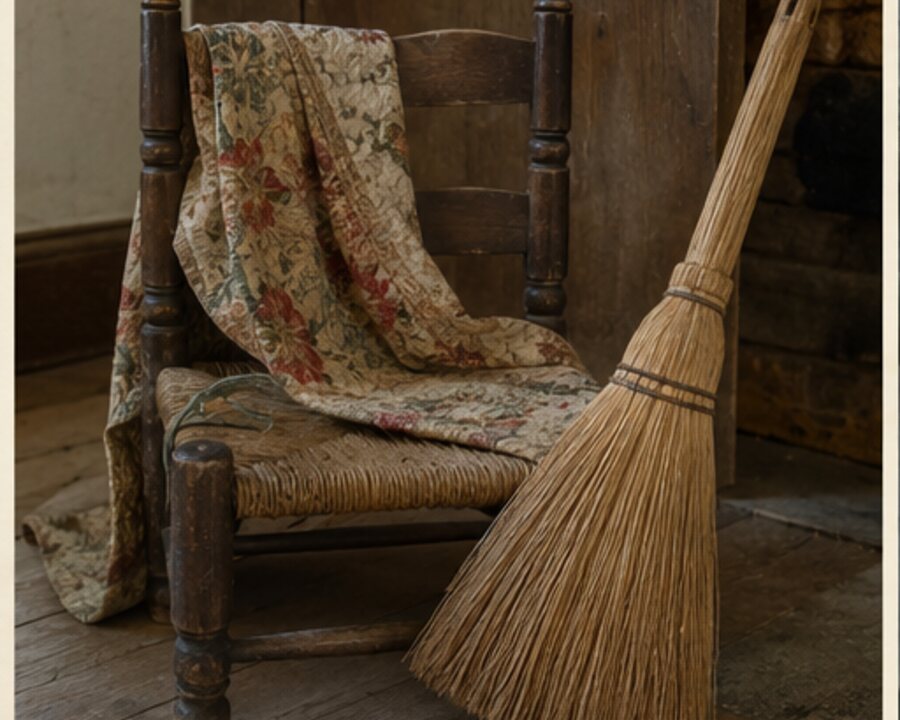
Repair can retain evidence
Specialists can reattach loose plaster, consolidate areas, patch with compatible materials, and preserve decorative surfaces. Hard, incompatible patches may move differently from older lime plaster and make future failure worse.
What to look for in an old house
- Coarse fibers distributed through a base coat
- Wood lath with plaster keys visible from the rear
- Multiple coats with a finer finish surface over a rough reinforced base
Before you alter or remove it
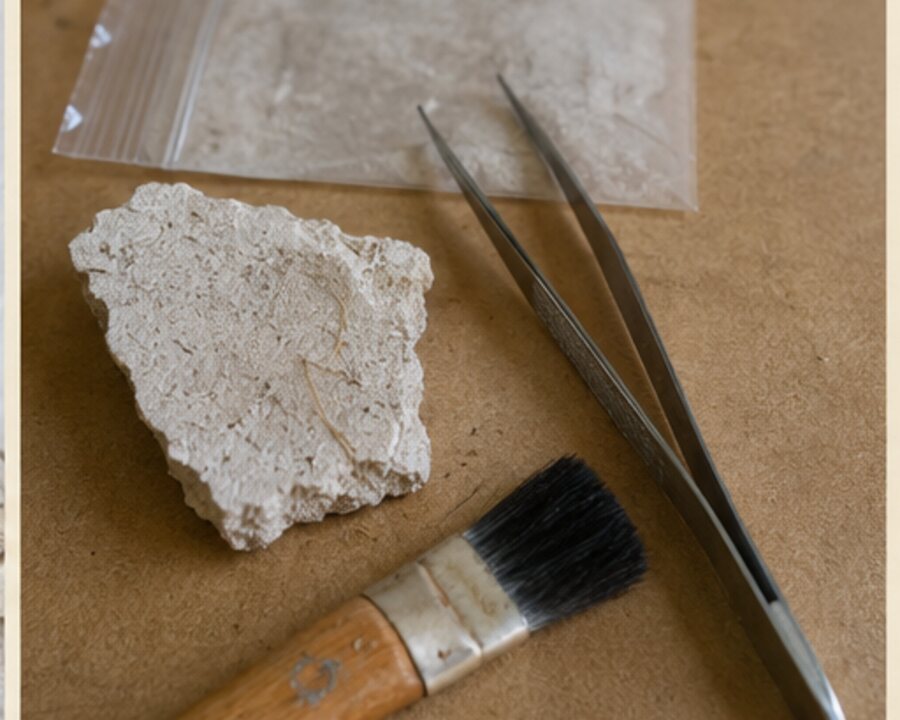
Do not create dust from unknown plaster or paint; test for lead and asbestos-containing later materials as appropriate. Stabilize overhead loose plaster and keep people out from beneath failing ceilings.
The detail that makes this story worth sharing
The image hook is naturally startling, but the article must correct sensational interpretations immediately and replace them with craft, material science, and preservation advice.
Sources and further reading
Editorial note: Dates and configurations vary by region, builder, and later remodeling. This article explains common historical patterns and does not identify an undocumented feature in a specific private home. Images labeled as editorial reconstructions are illustrative and are not documentary photographs of a named property.